
The Weight of the Role: A Call to Teachers to Remember Their Power
site-Jugliw • 23 May 2025

The Weight of the Role

After nearly two decades in the classroom, shaping minds and delivering lessons, we thought we understood what it meant to be a teacher. We believed we were making a difference—and in many cases, we were. But it wasn't until our own children entered high school that the full enormity of the role truly hit home.


Suddenly, we were seeing it not from the front of the classroom, but from the dinner table. We watched the joy or dread our children brought home, tied not just to subjects or classmates, but to the adults entrusted with guiding them. It was a wake-up call. Because what happens in schools is not just academic—it's deeply human. And for some children, their teacher is the most consistent, stable adult in their lives.


This article is not here to gently remind, but to firmly urge: teachers, do not underestimate your impact.


More Than a Job


Teaching is not just a profession; it’s a position of profound influence. Every word, every sigh, every eye-roll or raised voice has the power to lift or crush. It’s easy, especially under the weight of endless paperwork, performance targets, and policy changes, to lose sight of that. The modern education system too often reduces children to data points, and teachers to deliverers of outcomes. But we cannot let the business of school obscure the business of care.


When we were pupils ourselves, we didn’t remember every lesson plan. We remembered moments. We remembered the teacher who made us feel seen, valued, and safe—and we also remembered the one who belittled us, dismissed us, or made school a place we dreaded. That imprint can last a lifetime.


The Power You Hold


The students sitting in front of you are not just learners; they are developing identities, forming opinions about themselves and the world. When a teacher says “You’re good at this,” a young person begins to believe they are. When a teacher says “You’ll never manage,” a young person may carry that self-doubt for years. You may be one of the few adults in their life who treats them with consistent respect and expectation—and that matters.


We’ve seen, time and again, the way teachers shape the internal narratives of their students. Sometimes with a quiet comment, sometimes with a firm stand, sometimes just by showing up every day and listening. That’s not just a role—it’s a responsibility. One that we cannot afford to take lightly.


A Call to Remember


We know teaching is hard. We know the system is flawed. We know the pressures are immense. But we also know this: every day you walk into a classroom, you carry the potential to alter the trajectory of a child’s life. That’s not a burden—it’s a gift. But only if you choose to use it wisely.


So, to our fellow educators: don’t lose sight of the magnitude of what you do. Don’t let deadlines, inspections, or admin strip the soul from your teaching. Fight to remember the faces behind the data. Speak with kindness, challenge with compassion, and never forget the power of being the constant in a child’s life.


Because one day, that child will remember you. Make sure it’s for the right reasons.


Share

by Katherine Gibson 22 December 2025
Looking Back on a Year of Growth, Community, and New Beginnings in Home Education
A person holding a lens overlooking the horizon
by Kate Gibson 23 October 2025
When it comes to our children, few decisions feel as heavy as the one about whether to seek a diagnosis. As parents, we just want to do what’s best, to nurture, protect, and understand our child in every possible way. But when questions arise about learning, attention, behaviour, or emotional wellbeing, the path forward can suddenly feel uncertain. Recently, Gav and I found ourselves standing at this very crossroads with our own daughter. We began to notice differences, little things that didn’t quite fit the pattern of what we’d expected. Some days, we felt sure we were overthinking. Other days, we couldn’t shake the feeling that perhaps there was something more going on beneath the surface. That’s when we came across the phrase that has stayed with me ever since: “Not a label, but a lens.” Those five words changed how we viewed the entire conversation about testing, diagnosis, and support. The Case for Testing: Seeing Through a New Lens A diagnosis can offer clarity not as a verdict, but as understanding. It can shine light into areas that have long felt confusing or frustrating. It gives parents, teachers, and the child themselves a shared language to talk about what’s happening and how to help. For some families, a diagnosis opens doors to support that might otherwise be closed such aa access to resources, tailored strategies, and compassionate professionals who can make a real difference. For the child, it can be empowering. When a child understands why something feels difficult or why they think, learn, or respond differently it can ease shame and build self-awareness. Instead of asking, “What’s wrong with me?”, they can begin to ask, “What do I need?” That’s the beauty of the lens. It helps us see not just the challenges, but the strengths that come with difference. The Case for Waiting: The Power of Knowing the Child First But the other side of the conversation is just as important. A diagnosis can be helpful, yes, but it is not always necessary. Sometimes, in our urgency to find answers, we risk narrowing our view too soon. A label, if treated carelessly, can unintentionally define a child rather than describe them. It can shape expectations, both our own and others’, before we’ve truly taken the time to understand who that child is. Every child deserves to be seen and supported as an individual first. Testing should never replace connection, patience, and curiosity. In some cases, the best approach is to continue observing, adapting, and working collaboratively between parents, educators, and the child themselves without the pressure of a formal label. Standing at the Crossroads And so, that’s where we found ourselves somewhere in between. Wanting to know more, yet not wanting our daughter to be reduced to a word or category. In the end, what helped us most was reframing the question. Instead of asking, “Should we test or not?”, we asked, “What do we hope to understand?” When we began to see the process as a tool for insight, not an endpoint or a judgment, the decision became gentler. Whether we went ahead with testing or not, we knew our goal was the same: to work with our daughter, not on her. Not a Label, but a Lens Every child is unique. Some thrive when we have the language that a diagnosis provides; others simply need time, support, and empathy to grow in their own way. A label, in itself, changes nothing. What matters is how we use it, whether we choose to see it as a lens that helps us look more closely, understand more deeply, and respond more compassionately. So if you’re at that same crossroads, unsure whether to test or not, know that it’s okay to sit in the uncertainty for a while. The very act of asking the question means you’re already seeing your child clearly: as a whole, complex, wonderful person who deserves to be known, supported, and celebrated exactly as they are. Get in touch: info@crossroads.wales or Contact Us — Kate , Director, Crossroads
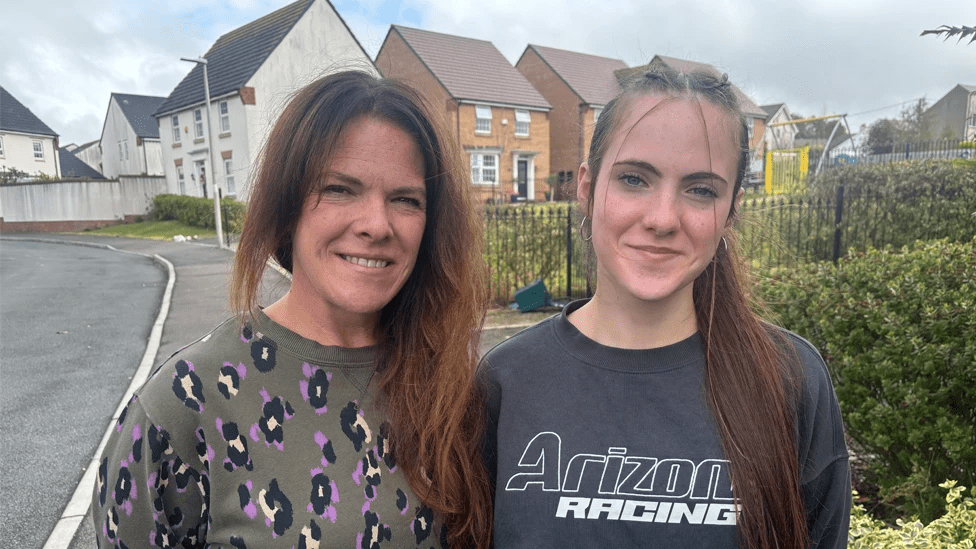
Meinir said her daughter Mali
by Kate Gibson 13 September 2025
Crossroads featured on BBC as home schooling in Wales triples. Supporting families with wellbeing, confidence, and trusted exam options.
More posts